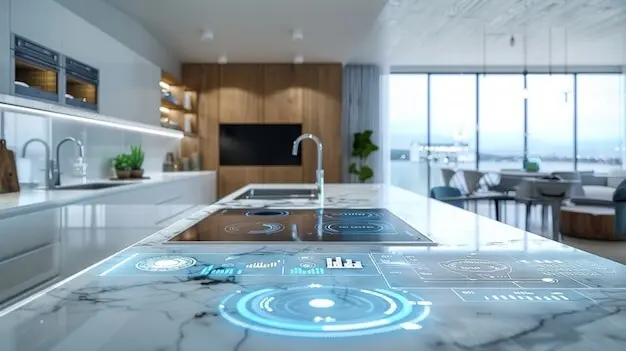
Let Your Home Handle the Hassle

Start with a Reliable Automation Backbone
Choose the Right Ecosystem
Pick a platform that supports your devices today and tomorrow, not just the shiniest new hub. Check local control, backup exports, multi-user permissions, and automation depth. When my router failed, local fallbacks kept lights, sensors, and cleaning schedules running without cloud delays.
Create Trigger–Action Frameworks
Translate chores into events the system understands: time windows, presence, sensors, or voice. Stack conditions to avoid surprises, like skipping vacuuming during naps or movie nights. Use reusable blueprints so one proven flow, once perfected, can relieve similar chores across rooms.
Fail-Safes and Manual Overrides
Automations should help, never trap. Add wall switches, contact sensor checks, and timeout rollbacks. If the dishwasher doesn’t start, send a gentle alert; if a leak is detected, pause valves. A physical override keeps trust high when guests visit.
Dish Duty Without the Nagging
Trash Day That Never Sneaks Up
Smart Pantry That Restocks Itself
Effortless Kitchen: Dishes, Trash, and Pantry Without Daily Drudgery
Laundry That Practically Runs Itself
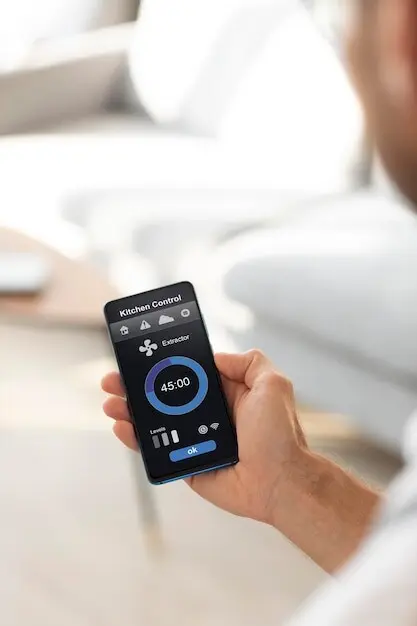
From Hamper to Washer, Automatically
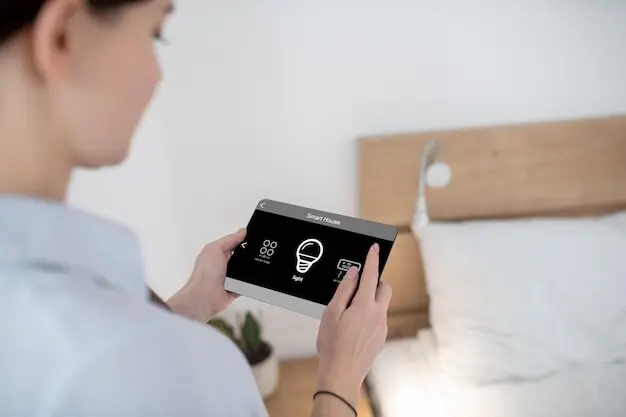
Detergent, Cycles, and Fabric Care on Autopilot
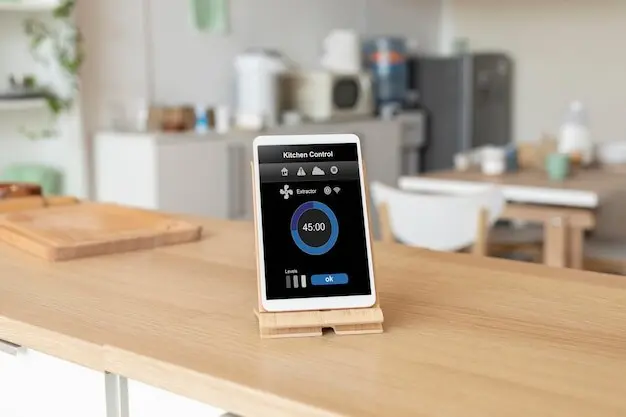
Drying, Folding, and Reminders That Actually Work
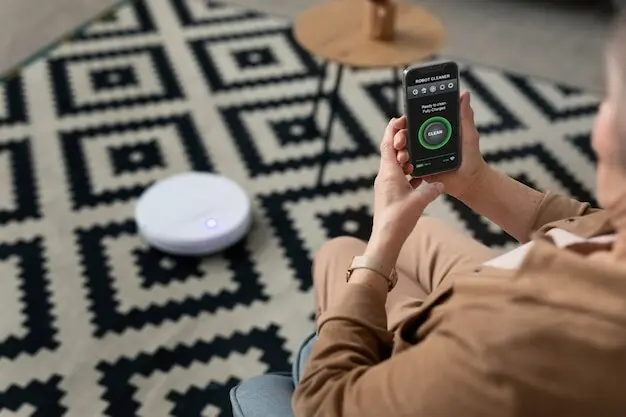
Vacuum, Mop, and Dust Without Lifting a Finger
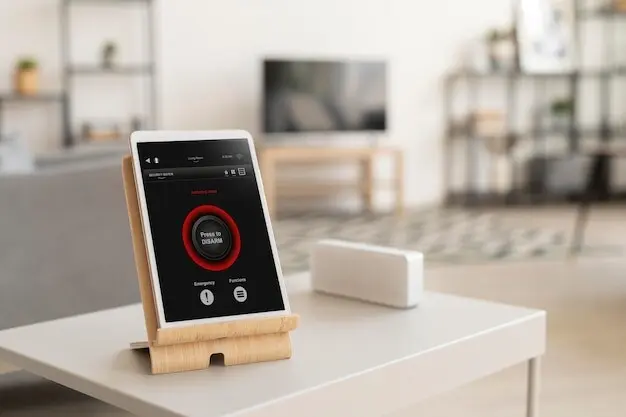
Air Quality That Adjusts Before You Notice

Energy-Savvy Heating and Cooling
Safety, Maintenance, and Deliveries Without Constant Checking
Packages Secured and Logged
Delivery detection watches motion, RFID mail slot tags, and courier phrases. A side-door unlocks briefly, camera records, and the garage cabinet lights for placement. Family receives a concise digest at dinner, links to footage, and a reminder to recycle boxes before weekend clutter grows.
Leaks, Batteries, and Wear Caught Early
Place leak sensors under sinks and appliances; pair them with auto-shutoff valves and an unmistakable chime. Low battery aggregations prevent drip notifications, sending one weekly rundown. Vibration data flags failing fans and pumps, saving costly surprises and eliminating frantic midnight searches for spare batteries.
Morning Momentum and Restful Evenings