
Build Smarter Days with No‑Code Workflows

Today we dive into no-code workflows to streamline personal tasks, turning scattered chores into smooth, repeatable systems that save time and reduce stress. You’ll learn approachable methods, see daily-life examples, and grab practical steps to start now. Share your wins, ask questions, and subscribe for more hands-on guidance that grows alongside your evolving routines and priorities, empowering you to reclaim minutes, sharpen focus, and enjoy calmer, more intentional mornings, afternoons, and evenings.

Find Automations Hiding in Your Daily Routine

Start by mapping your day like a story, highlighting repetitive taps, copy‑pastes, and tiny frictions that steal minutes. A simple time audit reveals patterns worth automating. Capture triggers, desired outcomes, and constraints, so your first workflow mirrors reality rather than wishful plans, and encourages steady, confident experimentation that respects your schedule, tools, and personal boundaries without adding complexity you will resent tomorrow.

Morning to Night: A Simple Audit

List every action between waking and bedtime, from checking weather to filing receipts. Note when, where, and on which device each step happens. These context details reveal natural trigger points, help prevent clashes, and keep automations respectful of your energy and attention, while also uncovering surprising clusters of low-value effort you can convert into delightful, invisible helpers.

Picking Quick Wins without Overthinking

Choose one or two painful micro‑tasks you repeat daily, like renaming downloads or moving screenshots. Keep scope tiny, measurable, and reversible. Quick wins build confidence, create momentum, and provide immediate feedback loops that inform smarter, safer, and more delightful next experiments, reducing the risk of overbuilding while still delivering noticeable relief you can celebrate and share.

Designing a Flow That Mirrors Real Life

Translate your audit into a draft flow: define the moment it starts, list actions in order, and stop where human judgment is best. Align naming, folders, and labels so the system feels intuitive, predictable, and easy to explain to future you, encouraging maintenance, clarity, and steady improvement without mysterious steps or forgotten intentions undermining trust.

Tools That Click Together without Writing Code

You don’t need programming to connect services. Visual builders like Zapier, Make, and IFTTT link triggers to actions with friendly logic. On phones, Apple Shortcuts and Android routines shine. Pair databases like Notion or Airtable to organize records your automations can trust, enabling tidy dashboards, reliable references, and confident handoffs between apps you already love using daily.

Zapier, Make, and IFTTT Compared

Compare strengths honestly. Zapier excels at breadth and polished reliability; Make offers intricate routing and parallel paths; IFTTT keeps things wonderfully simple. Start where your apps are supported, then evaluate pricing, execution speed, error handling, and the transparency of run histories, so you choose with confidence instead of wrestling mismatched capabilities mid‑project.

Mobile Magic with Shortcuts and Android Intents

Your pocket computer is automation gold. Use location, focus modes, widgets, and voice to start flows without hunting menus. Shortcuts and Android intents can rename photos, log habits, or batch-send messages while respecting privacy settings and low‑power constraints on busy days, creating frictionless assistance that appears precisely when attention is scarce.

Keeping Notes and Databases in Sync with Notion and Airtable

Keep your notes and data consistent by letting automations add, update, and archive records with tidy schemas. Use synced databases, unique IDs, and rollups to avoid duplicates. When structure is clean, dashboards become living command centers that guide decisions effortlessly, surfacing next actions and progress without manual tallying or lost context.

Triggers, Conditions, and Actions You Can Trust
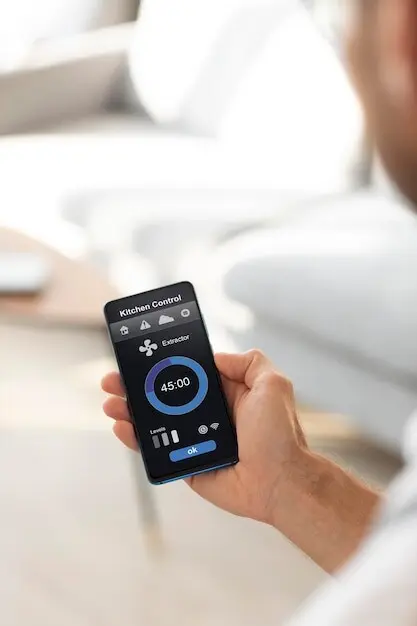
Reliability matters more than cleverness. Think carefully about what starts a flow, which conditions must hold true, and how actions confirm success. Add filters, delays, and checks. Design for retries, idempotency, and human review when stakes are real or data is sensitive, ensuring durable performance that helps rather than surprises on important days.

Personal Data Care: Privacy, Security, and Reliability

Store credentials in provider vaults, rotate them regularly, and avoid sharing screenshots. Mask fields during demos. Use environment variables where supported. If a connection is compromised, revoke immediately and audit flows to understand spread, then document lessons for prevention, ensuring a resilient posture without paralyzing your curiosity or momentum.
Send only what is necessary for a step to succeed. Prefer summaries, hashes, or references over full payloads containing personal details. Consider on-device processing for sensitive transforms. Less movement means fewer risks, faster execution, and simpler compliance conversations later, aligning safety with speed while keeping ownership clear and practical.
Expect occasional hiccups. Build alerts that notify you kindly, and keep logs searchable for the last thirty days. Write short runbooks describing fixes. A graceful failure today prevents data drift tomorrow and keeps your confidence high when tasks really matter, turning setbacks into fuel for thoughtful improvements.

Stories from Real Life: Small Wins with Big Impact
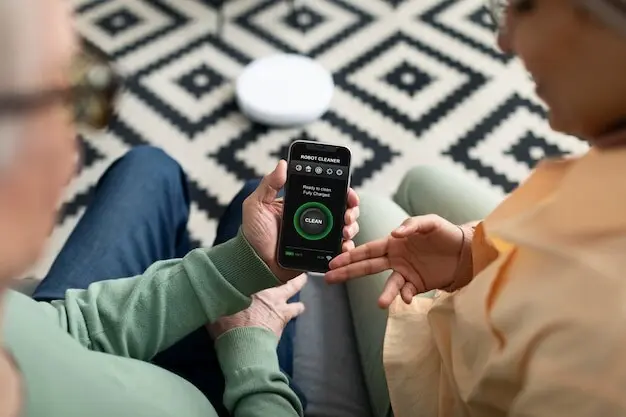
Tiny automations can change how days feel. Real people report calmer mornings when bills categorize themselves, inboxes sort politely, and reminders arrive at compassionate moments. These stories show practical possibilities, inspire experimentation, and prove small improvements compound beautifully over weeks and months, making routines lighter without demanding heroic discipline.

From First Automation to Sustainable Habit

Momentum beats ambition. Begin with one tiny flow you will actually use daily, then make it smoother each week. Track friction, note surprises, and refine labels. Over time, the practice becomes its own reward, freeing attention for more meaningful decisions and encouraging curiosity without overwhelming your calendar.

Measure, Troubleshoot, and Keep It Flowing

Measure what changes behavior, not vanity numbers. Minutes reclaimed, fewer clicks, calmer mornings, and fewer apologies to colleagues are meaningful indicators. Build a tiny dashboard and review trends monthly, celebrating compounding gains that motivate you to keep improving patiently, even when progress feels modest day to day.
When a run fails, capture the context: payload, time, and preceding actions. Reproduce with test data, then fix the smallest thing that explains everything. Add a guardrail to prevent recurrence, and leave breadcrumbs in your documentation so future you smiles, confident that learning outpaces setbacks.
Open your process to ideas. Ask friends, coworkers, or online groups for critiques and clever shortcuts. Share your setups as templates, invite subscribers to adapt them, and reply to comments. Community energy sustains the practice and multiplies everyone’s creativity and momentum, turning solitary tinkering into shared progress.
Pexiveltosirarinonari
Privacy Overview

This website uses cookies so that we can provide you with the best user experience possible. Cookie information is stored in your browser and performs functions such as recognising you when you return to our website and helping our team to understand which sections of the website you find most interesting and useful.